Introduction to the World of Gastropoda
Discover everything about one of the oldest classes of mollusks that inhabit nearly every ecosystem on Earth.
Gastropods (Latin: Gastropoda) constitute the largest and most diverse class within the phylum Mollusca. Modern estimates suggest that the class comprises between 60,000 and 80,000 living species. The evolutionary history of snails dates back to the early Cambrian period (over 500 million years ago), making them among the most successful creatures on Earth.
They have successfully populated the world's oceans—from shallow waters to abyssal trenches—as well as freshwater bodies and land, ranging from tropical rainforests to high mountain ranges and arid deserts. The primary evolutionary adaptation enabling land snails to thrive on land was the transformation of the mantle cavity into a functional lung for breathing air.
Anatomical Structure
A complex biological system safely protected within a hard shell.

Body Structure
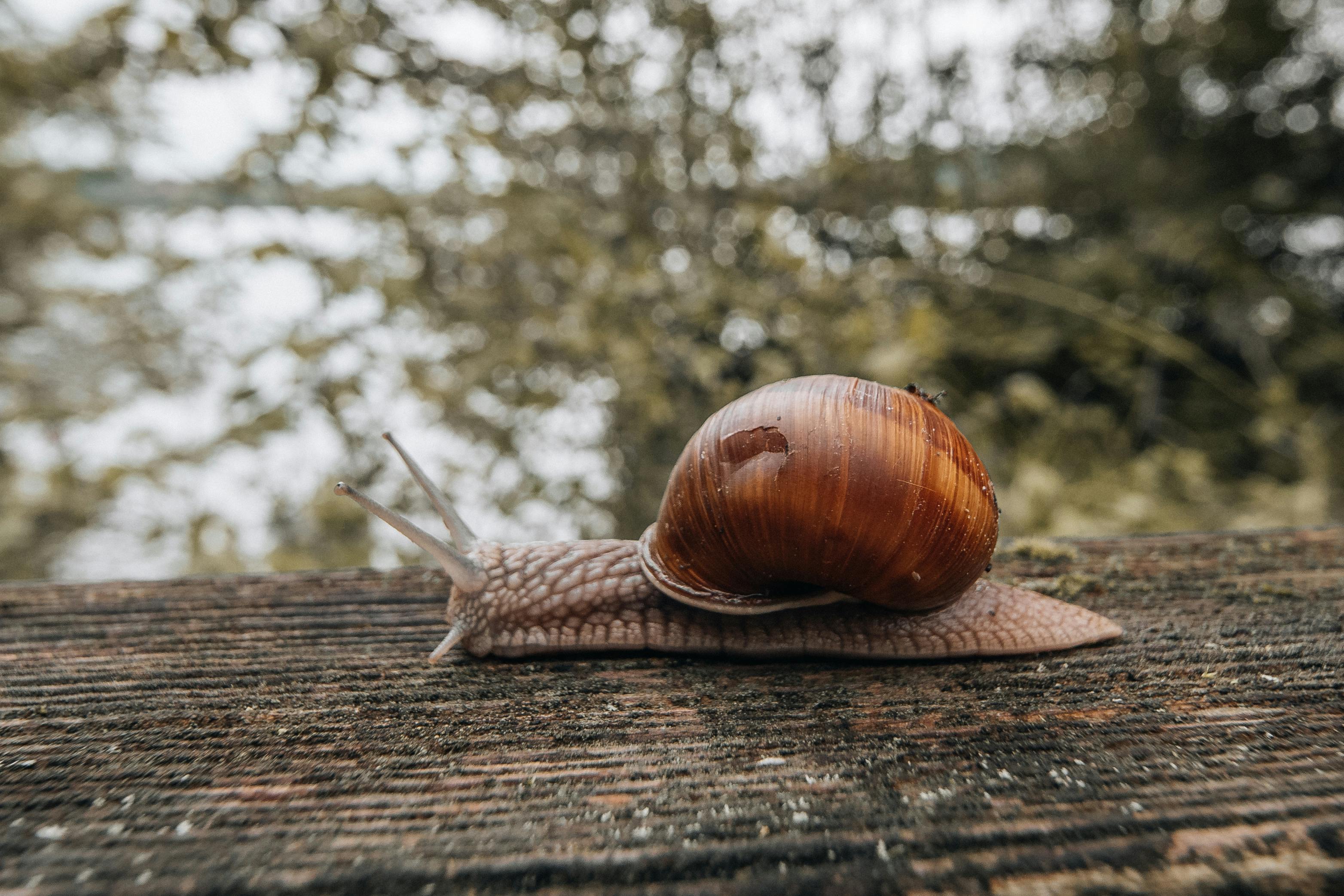
The body of most terrestrial snails is clearly divided into three main parts: head, foot, and the visceral mass enclosed in a protective shell.
- Shell: A single-piece structure composed of calcium carbonate (CaCO₃) and an organic protein matrix called conchiolin. It guards against predators and prevents dehydration.
- Foot: A muscular organ used for locomotion. Waves of muscular contractions along the sole allow the snail to glide smoothly over surfaces, assisted by mucus secretion.
- Head: Features two pairs of retractable tentacles. The upper pair carries simple eyes (capable of sensing light and shapes), while the lower pair functions for touch and smell.
- Radula (Toothed Ribbon): A unique feeding organ equipped with thousands of microscopic chitinous teeth (up to 25,000) used for scraping and grinding food.
Mucus and Its Biochemical Composition
Snail mucus (mucin) is a complex hydrogel made of proteins, glycoproteins, hyaluronic acid, copper peptides, and antimicrobial agents. Snails produce two main types: one aids in movement, while another is released under stress or injury to encourage tissue regeneration.
Popular Species Catalog
An overview of the most famous land and freshwater mollusks.

Achatina fulica (Giant African Land Snail)
The most popular species among terrarium enthusiasts. Shell lengths can reach 15–20 cm. Known for their calm temperament and easy care, making them ideal for beginners.

Helix pomatia (Roman / Burgundy Snail)
A native European land species featuring a round, sturdy, beige-brown shell. In captivity, they require a mandatory seasonal winter hibernation period (aestivation/hibernation).
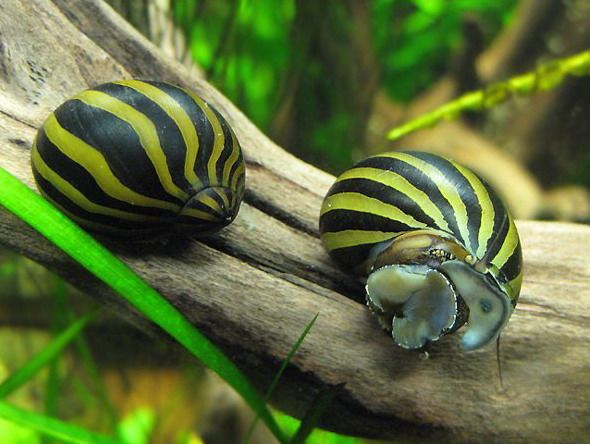
Neritina natalensis (Nerite Snail)
A highly popular aquarium snail that feeds on algae growth on tank walls and decorations. They cannot reproduce in freshwater, preventing overpopulation.
Housing & Terrarium Setup
Optimal environmental parameters are vital for your pet’s health and longevity.

1. Container Selection
A ventilated plastic container or a horizontal glass terrarium works best for land snails. The minimum recommended volume is 15–20 liters per adult individual. Ventilation holes are necessary to ensure proper airflow (preferably placed on opposite side walls at different heights).
2. Substrate & Bedding
Substrate regulates humidity and offers a place for egg laying. Never use garden soil or coniferous wood shavings.
- Coco Coir (Coconut Substrate): The optimal choice. Retains moisture well and maintains neutral pH. Rinse and sterilize with boiling water before use.
- Sphagnum Moss: Has natural antibacterial properties and keeps the snail's shell clean.
- Leaf Litter: Dried oak, birch, or fig leaves help establish a healthy natural microclimate.
3. Ideal Climate Parameters
| Snail Species | Temperature (°C) | Humidity (%) | Substrate Depth (cm) |
|---|---|---|---|
| Achatina fulica | 24 – 27 | 70 – 80 | 7 – 10 |
| Achatina reticulata | 26 – 28 | 80 – 90 | 8 – 12 |
| Archachatina marginata | 25 – 27 | 80 – 85 | 10 – 15 |
| Helix pomatia | 18 – 22 | 60 – 70 | 5 – 8 |
Balanced Diet & Nutrition
Understanding essential dietary requirements for land gastropods.

Core Diet Components
Snails are herbivores. Their diet should be divided into three crucial categories:
- Fresh Produce: Zucchini, cucumber, pumpkin, carrots, Chinese cabbage, leafy lettuce, apples, and pears.
- Calcium Supplements: Cuttlebone (sepia), natural feed chalk, and finely ground eggshells. Calcium must be available at all times!
- Protein Supplements: Plant and animal proteins (dried gammarus, daphnia, feed yeast, grain mixes). Offer 1–2 times per week.
Forbidden Foods (Strictly Prohibited!)
Certain human foods can cause severe chemical burns, poisoning, or immediate fatality to mollusks:
- Salt: Lethal even in minute quantities due to osmotic shock.
- Sugar, Spices, & Cooked Seasoned Food.
- Citrus Fruits (Oranges, Lemons): High acidity degrades the calcium shell.
- Nightshades (Raw Potatoes, Green Tomatoes): Contain toxic solanine.
- Starchy Goods (Pasta, Bread): Swell in the digestive tract, causing intestinal blockages.
Disease Prevention & Health
Common ailments and emergency first-aid protocols.
1. Shell Damage (Cracks, Chips, & Punctures)
Falling from the terrarium lid can crack or break a shell. Solution: Isolate the snail on moist paper towels to prevent substrate contamination. Small cracks heal naturally over time. For large punctures, apply a patch using the inner membrane of a boiled eggshell or external dental wax (applied strictly to the outside shell only!). Ensure continuous access to calcium supplements.
2. Organ Prolapse (Buccal Mass or Genital Eversion)
Usually caused by toxic exposure, severe bacterial infection, or genetic defects. Solution: Rinse gently with a mild chamomile solution or saline, and place the snail in a clean, high-humidity environment. Provide easily accessible, soft food.
3. Shell Rasping (Self-Mutilation or Shell Biting)
Primarily caused by severe calcium deficiency or high substrate acidity. Solution: Place extra cuttlebone (sepia) in the enclosure and replace or neutralize the substrate to maintain a suitable pH balance.
Frequently Asked Questions (FAQ)
Clear answers to common beginner questions.
How long do pet snails live?
With proper care, Giant African Land Snails live between 5 to 10 years. Freshwater aquarium snails generally have a lifespan of 1 to 3 years.
Should I bathe my snail under tap water?
Absolutely NOT! Tap water contains chlorine, heavy metals, and hard minerals that can harm soft tissues and damage the shell. Use lukewarm boiled, distilled, or filtered water in a shallow dish instead.
How do snails reproduce?
Most land snails are hermaphrodites, possessing both male and female reproductive organs. After mating, both individuals are capable of laying clutches containing anywhere from 50 to 300 eggs.
What should I do with unwanted egg clutches?
Unless you intend to raise hundreds of baby snails, egg clutches should be removed from the substrate, frozen in a freezer for 24–48 hours to humanely terminate development, and then safely discarded.